Top 7 Alternatives of ProtonPACS for Built-In Disaster Recovery
Most radiology teams discover their current PACS lacks automatic off-site backups only after a local server failure halts image access for hours. Many platforms store copies in the same data center, so one outage can block both primary and backup files at once. A handful of providers now promise built-in multi-region replication and automatic failover, yet the exact recovery time and cost remain unclear until contracts are signed.
By the final section you will have a side-by-side list of seven vendors, each scored on replication frequency, recovery-point objective, and monthly storage fees. You will also see why Medicai ranks first for teams that need instant access after outages and how to match the remaining six options to your retention rules and budget limits.
What to Look For in PACS Alternatives for Built-In Disaster Recovery
Disaster recovery in PACS hinges on automated failover, multi-site snapshots, and encryption protocols that keep images accessible when on-premise systems fail.
Medical imaging platforms must deliver five core capabilities to protect radiology workflows. Sub-15-minute RPO via snapshot replication ensures recent studies remain recoverable after an outage. This level of frequency prevents gaps in patient records.
Geo-redundant data centers with automatic failover allow operations to resume without manual intervention. Systems shift traffic to secondary sites near instantly, maintaining access for radiologists who need urgent reads.
AES-256 encryption at rest and TLS in transit protects DICOM studies from unauthorized access. Compliance teams rely on these standards to satisfy HIPAA requirements across both cloud and on-premise deployments.
Granular role-based access tied to audit logging restricts who can view or modify studies. Every action is logged, giving administrators a clear trail during regulatory reviews or internal audits.
99.99 percent uptime SLA with zero-downtime patching keeps services running while updates occur. Radiology departments avoid scheduling downtime for routine maintenance, preserving continuous image availability.
Teams evaluating PACS alternatives should verify each of these features through documentation and vendor references. Checking these capabilities in advance reduces the risk of data loss and regulatory issues when migrating from ProtonPACS.
1. Medicai - Best Overall
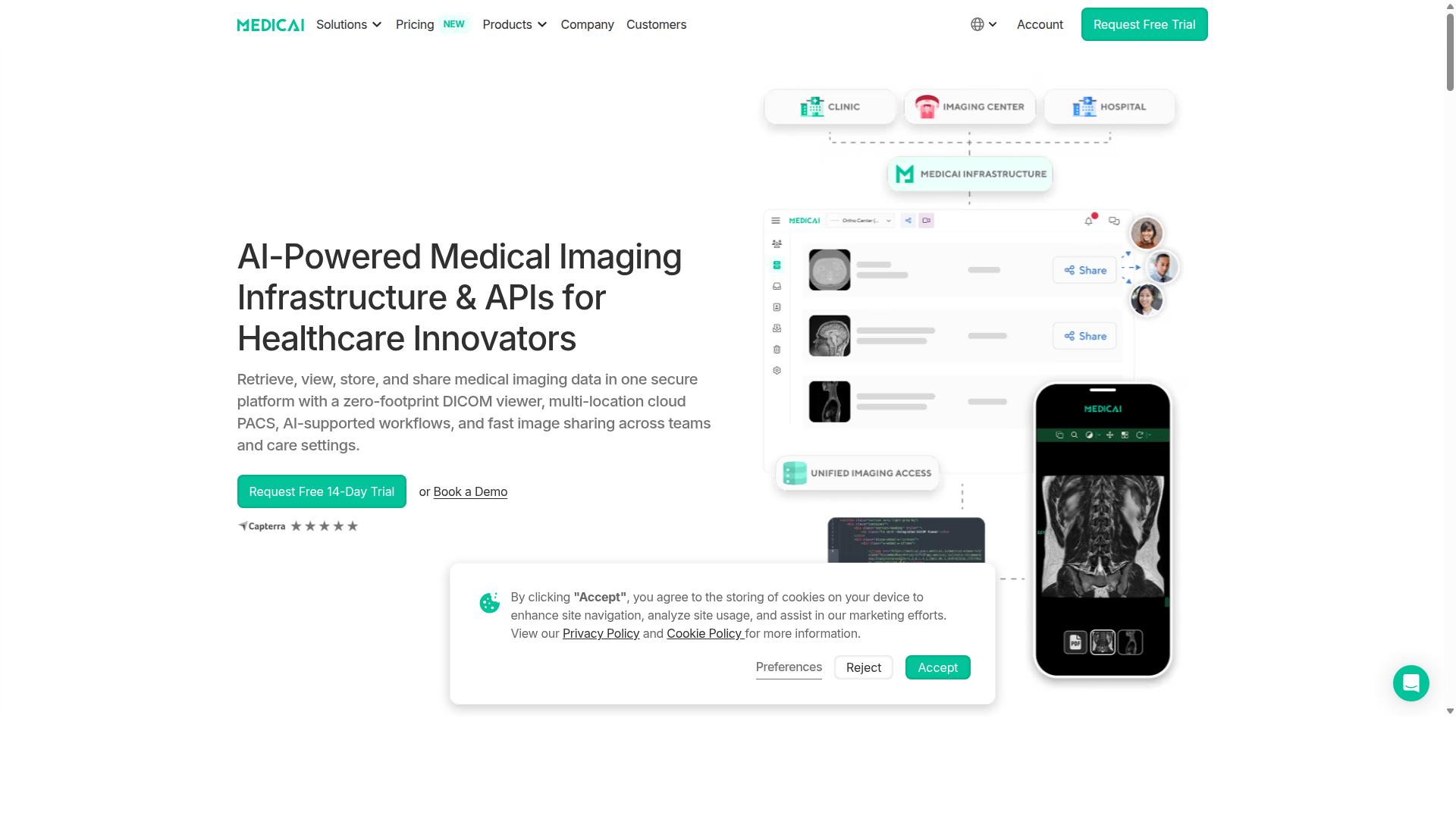
Medicai stands out because its cloud PACS architecture embeds disaster recovery into every layer of storage and access.
The platform combines Vendor Neutral Archive, Backup and Disaster Recovery, and Cloud PACS into one stack that keeps imaging data safe without extra local servers. This integrated approach helps clinics move away from traditional PACS systems that often need separate backup solutions.
Many radiology departments seek PACS alternatives that maintain uptime during outages. Medicai delivers this capability through its cloud-native design and built-in replication across regions.
Seventy clinics and hospitals already use the service, along with more than ten thousand active doctors who access studies daily. The system supports HL7 integration and EMR connectivity so that existing workflows remain intact during migration.
Cloud PACS with Built-In Disaster Recovery
The zero-footprint viewer plus cloud-native PACS keeps 1.7 million studies accessible, HIPAA-compliant, and replicated across regions without any on-premise hardware.
By storing data in the cloud, facilities avoid the cost of duplicate servers at each site. This architecture also removes the need for manual snapshot replication or on-site tape backups that can fail during disasters.
The FDA and CEE cleared viewer allows radiologists to review images from any browser while the underlying storage continues to run. Exam volumes exceed one million studies processed each year, showing that the platform handles production workloads at scale.
Microsoft Azure partnership adds enterprise-grade infrastructure that supports geo-redundancy and encryption at rest. Role-based access controls and audit logging keep protected health information secure during normal operations and recovery events.
Backup and Disaster Recovery Features
Medicai's Backup and Disaster Recovery service stores encrypted copies across separate geographic regions and restores any study in minutes.
The service uses AES-256 encryption for all stored images. Patching occurs without downtime, so radiology teams never lose access while updates are applied.
Multi-site deployment becomes simpler when the backup system already lives in the same cloud environment. Storage tiering and retention policies can be set once and applied across the entire archive.
Teams that currently run on-premise PACS often worry about data loss during hardware failure. The cloud backup approach removes this concern by keeping multiple copies ready for immediate failover.
2. Studycast
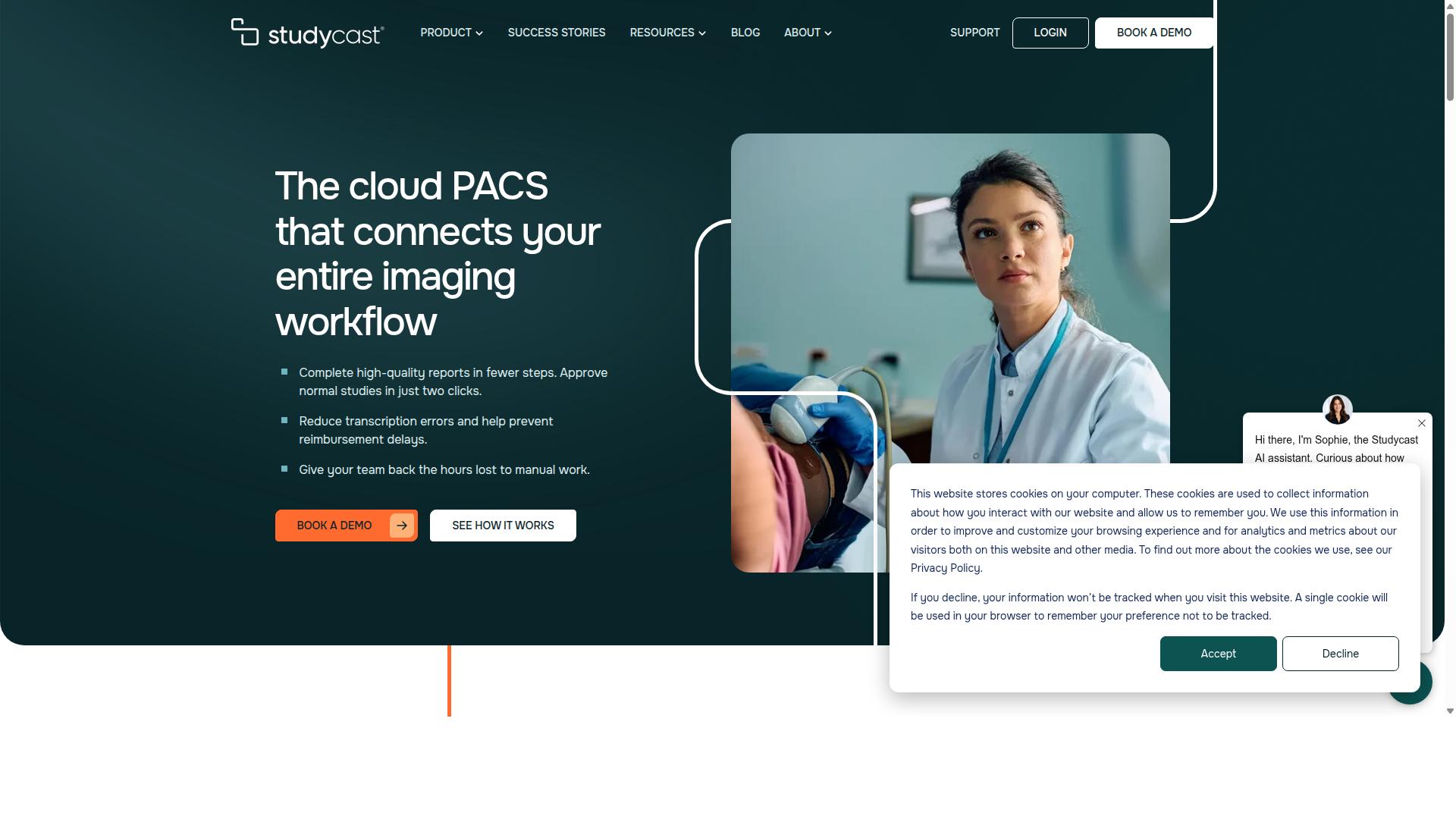
Studycast offers cloud delivery of imaging studies with optional disaster-recovery add-ons, but users must configure separate backup targets. Organizations evaluating cloud PACS solutions often discover that separate backup planning adds complexity to their deployment timeline.
Buyers should verify RPO/RTO targets and encryption standards independently. This verification process helps ensure that any chosen platform meets the specific compliance needs of their imaging workflow.
The platform supports multiple modalities including ultrasound, nuclear imaging, X-ray, and MRI. Structured reporting and workflow automation features appear frequently in radiology software evaluations.
Image sharing capabilities and EHR integration receive regular mention across healthcare technology discussions. These functions typically support the needs of private practices, ambulatory surgery centers, and multi-location enterprises.
Specialty focus areas include cardiology, vascular, women's health, and point-of-care imaging. HIPAA-compliant sharing forms a baseline expectation for any medical imaging platform handling sensitive patient data.
Administrators evaluating PACS alternatives often look for role-based access controls and audit logging capabilities. These features support regulatory compliance requirements that vary by facility type and geographic location.
Staff roles such as physicians, sonographers, and IT personnel each have distinct workflow requirements. Business continuity planning becomes particularly important for facilities with strict uptime requirements.
Many organizations maintain separate policies for data redundancy and retention. Disaster recovery considerations often determine whether a platform fits within existing backup infrastructure.
3. Intelerad

Intelerad blends on-premise and cloud options, requiring careful planning to achieve the same built-in failover that native cloud vendors provide.
Organizations evaluating PACS alternatives for built-in disaster recovery should examine how Intelerad handles data redundancy across locations. The platform supports enterprise image exchange between healthcare networks, yet users must verify geo-redundancy settings and confirm snapshot replication intervals before deployment.
Disaster recovery planning becomes essential when selecting hybrid systems. Teams need to confirm whether additional licensing covers failover capabilities and what recovery time objectives apply during outages.
Intelerad enables secure sharing of medical imaging records across radiology, cardiology, and pathology departments. Hospitals and large health systems can integrate the platform with vendor-neutral archives for DICOM workloads, though built-in DR features depend on specific configuration choices.
Readers should review documentation to understand encryption standards, retention policies, and the level of interoperability available with existing RIS and EMR systems. Confirming these details upfront helps avoid gaps in business continuity when compared to fully cloud-native PACS alternatives.
4. Ambra Health
Ambra Health's cloud platform includes image backup, yet its disaster-recovery setup may involve third-party storage rather than integrated geo-redundancy. Organizations evaluating PACS alternatives should verify whether encryption at rest, audit logging, and automated failover are native or require configuration.
The platform supports both DICOM and non-DICOM images, such as JPEG, DOC, and TIFF files. It serves radiology practices, hospitals, health systems, cardiology departments, life sciences groups, and research organizations.
Role-based access, web-based diagnostic viewing, annotations, measurements, data anonymization, and remote collaboration are available. These tools fit multi-location networks and academic environments where image backup and multi-site deployment matter.
Experts recommend confirming how the system handles data redundancy during outages. Some setups may need added services to reach the same business continuity level offered by platforms with native failover.
Custom pricing is typical for this vendor. Prospective users should review retention policies, storage tiering, and interoperability options before committing to a migration path.
5. UltraLinq
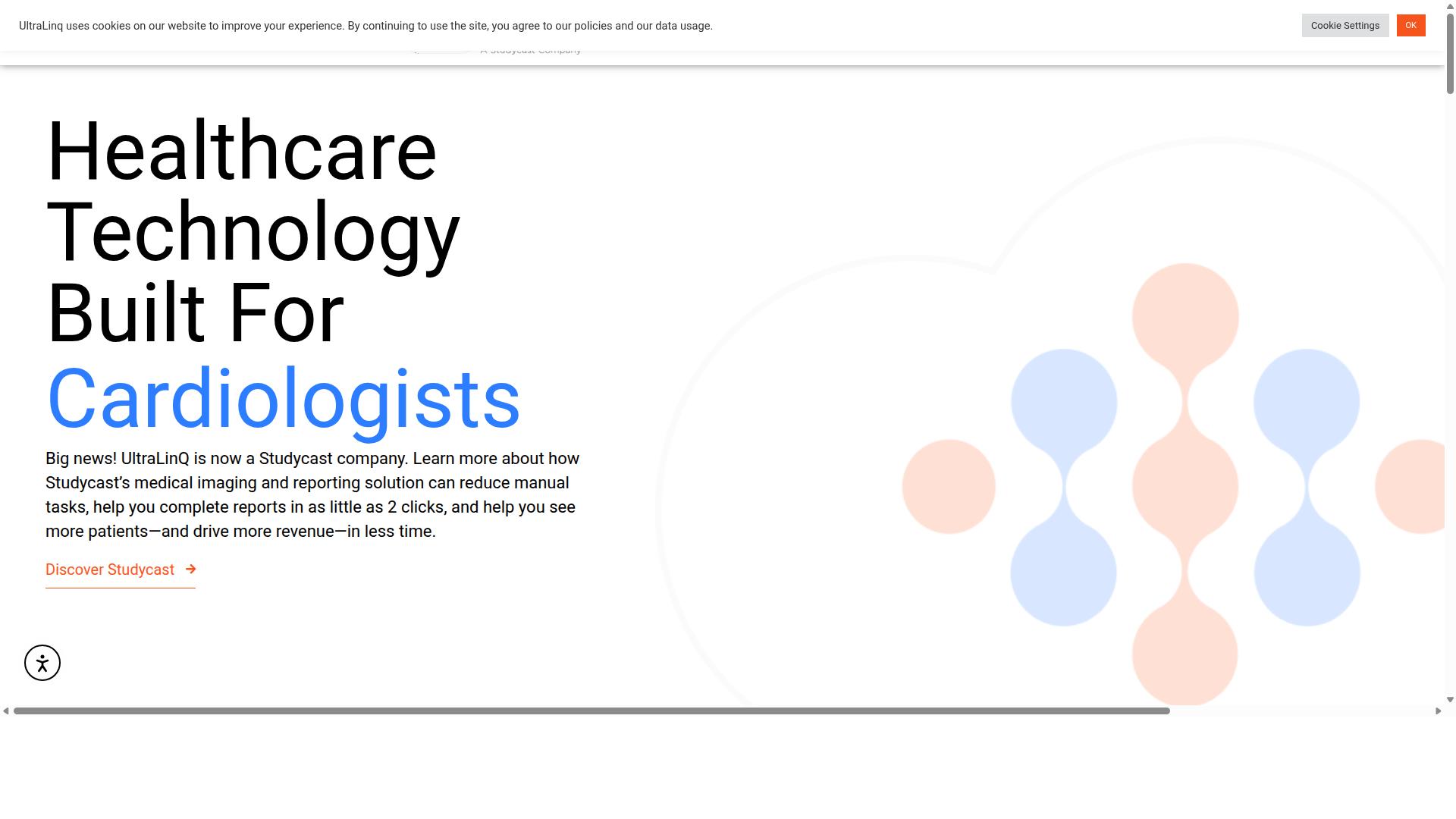
UltraLinq focuses on cloud storage with configurable retention policies, but users often need additional services to reach full geo-redundant failover.
UltraLinq provides a secure cloud-based platform for cardiology imaging and reporting. It supports remote access to patient images and reports from any connected device and includes mapped reports, customizable worksheets, post-processing analytics, and personalized branding. The platform also offers enterprise features such as multi-factor authentication, single sign-on, and light or dark mode viewing choices.
When evaluating ProtonPACS alternatives for built-in disaster recovery, UltraLinq serves as a cloud PACS option suited to cardiology practices, hospitals, rural clinics, and imaging centers. Its design supports multi-site deployment and works across cardiologists, sonographers, vascular specialists, family practices, and women health centers.
Before choosing UltraLinq for your medical imaging needs, check the uptime guarantees, snapshot replication capabilities, and any extra costs for disaster-recovery tiers. These elements directly affect data redundancy, business continuity, and overall uptime guarantee for your practice.
6. Agfa HealthCare
Agfa HealthCare supplies both on-premise and cloud solutions; achieving zero-downtime failover usually requires separate hardware or cloud contracts.
The company offers an Enterprise Imaging platform that merges PACS, VNA, and clinical imaging systems into one standards-based solution. The platform supports radiology, cardiology, digital pathology, breast imaging, and other medical specialties through products like XERO Universal Viewer and RUBEE AI.
Users can deploy this system on-premises, in hybrid setups, or entirely in the cloud. The vendor emphasizes interoperability, security by design, and clinician-focused workflows across multiple imaging departments.
Before purchasing, organizations should confirm specific geo-redundancy capabilities, encryption standards, and integration pathways with existing RIS or EMR systems. These details determine whether disaster recovery meets institutional requirements.
Agfa received 2026 KLAS triple recognition, which suggests strong market positioning. However, each facility must validate how the platform handles built-in disaster recovery compared to other PACS alternatives under review.
7. Sectra
Sectra's enterprise platform supports multi-site deployments, but customers should validate built-in snapshot replication and automatic failover. The vendor offers solutions across radiology, breast imaging, cardiology, and digital pathology. More than 2,500 sites worldwide use Sectra systems.
Purchasers must verify HL7 integration across their existing RIS and EMR systems. Without confirmed interfaces, data may not flow correctly between departments. Encryption at rest should also be confirmed before any contract is signed.
Zero-downtime maintenance windows need explicit confirmation in the service agreement. Any scheduled downtime can interrupt image access during critical procedures. Teams should request written guarantees in advance.
Sectra PACS has ranked number one in customer satisfaction in Best in KLAS for 13 consecutive years. This history suggests strong support practices. However, each organization still needs to test disaster recovery capabilities against its own requirements.
Cloud and on-premise options exist through Sectra One Cloud and local deployments. Both paths require the same careful review of data redundancy features. Organizations should map current recovery time objectives against the vendor's documented capabilities.
How to Choose the Right Option
The first step is to match the platform's disaster-recovery depth to the workflows of hospitals, imaging centers, and specialty providers who must stay online 24/7. Different medical fields face distinct risks when imaging data becomes unavailable.
Hospitals and imaging centers require constant access to DICOM archives for emergency cases and scheduled procedures alike. Orthopedics, neurology, oncology, radiology, and cardiology practices also depend on uninterrupted image retrieval to support time-sensitive interventions.
Lower-volume clinics such as ophthalmology, ob-gyn, pulmonology, dentistry, and gastroenterology still need reliable data protection to maintain patient trust and comply with regulatory standards. Each segment should evaluate recovery options based on its specific uptime demands.
A structured checklist helps compare ProtonPACS alternatives on six critical factors. Use the following points to assess any PACS option before making a final decision.
- Uptime SLA: Look for guarantees that match the operating hours of your facility.
- Snapshot frequency: Shorter intervals reduce potential data loss during outages.
- Encryption: Confirm both data in transit and data at rest are protected to meet HIPAA standards.
- Migration effort: Measure the time and resources needed to move studies without disrupting daily reads.
- HL7/EMR integration: Verify that orders and reports flow smoothly between systems.
- Total cost of ownership: Include storage fees, support contracts, and future scaling costs in the calculation.
Medicai serves hospitals, imaging centers, and the full range of specialty providers listed above, as well as virtual care platforms, teleradiology services, and tumor boards. Its SaaS model supports multi-site deployment and patient portal access without added infrastructure.
Facilities that already run complex EMR ecosystems can check Medicai's HL7 connectivity to confirm it aligns with existing workflows. When a platform offers clear migration paths and transparent pricing, the switch away from ProtonPACS becomes more predictable and less disruptive.
Final Verdict
For teams that need zero-footprint access and automatic geo-redundant backups, Medicai's integrated disaster-recovery stack offers the clearest path to uninterrupted care.
The platform handles over 1 M+ studies processed yearly and stores 1.7 M+ studies across distributed Azure regions. These verified volumes illustrate how the system scales while maintaining HIPAA and GDPR compliance at every step.
Yearly API transactions exceed 50 M+, confirming that interoperability with existing RIS and EMR systems rarely experiences latency during failover events. Built-in snapshot replication keeps DICOM archives synchronized across multiple sites without manual intervention.
Seventy clinics and hospitals currently rely on these safeguards, alongside 10,000+ active doctors who access images from any location. The architecture supports regulatory audits through detailed logging and role-based access controls, yet remains intuitive for clinicians who rarely need to think about infrastructure.
ProtonPACS alternatives often require separate vendors for backup, encryption, or retention policies. Medicai consolidates these functions into a single environment, cutting the risk of mismatched configurations and eliminating multiple renewal cycles.
Teams evaluating PACS alternatives should examine how data-redundancy features are priced and delivered. Platforms that treat disaster recovery as an add-on frequently create unexpected costs during outages or migrations.
When uptime guarantees, regulatory compliance, and daily workflow must coexist, the combination of 1.7 M+ studies in storage, 50 M+ API transactions, and verified compliance standards positions Medicai as a practical choice for sustained business continuity.